AI-Mediated Cognitive Extension
Engineering Solutions to Substrate Constraints
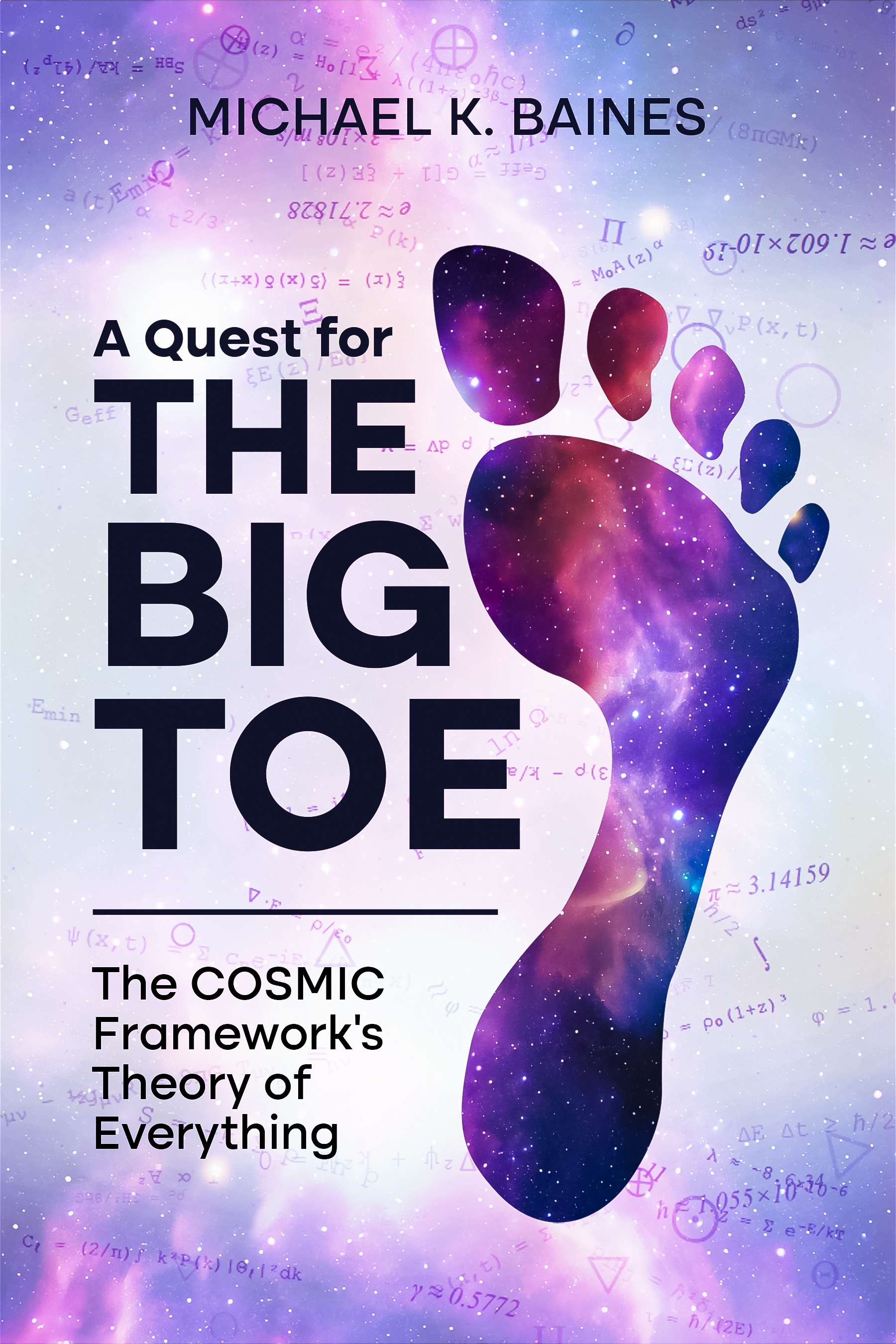
Engineering Solutions to Substrate Constraints
Human cognitive capacity is fundamentally constrained by working memory limitations: approximately 4 to 7 items regardless of intelligence or expertise. This program develops AI-human hybrid systems that extend cognitive capacity by optimizing information compression rather than attempting to expand biological processing power.
Human working memory holds roughly four chunks (older estimates said seven, plus or minus two) regardless of intelligence, education, or expertise. This constraint persists across all cognitive activities and represents a fundamental architectural limitation of biological neural substrates.
The human retina samples approximately 1 billion bits per second, yet only 10 to 40 bits per second reach conscious awareness, a compression ratio of tens of millions to one. This massive information loss reflects evolutionary optimization for survival rather than comprehensive environmental modeling.
As professionals accumulate expertise, they transition from fluid intelligence (adaptive reasoning) to crystallized intelligence (pattern matching). While initially enhancing performance, this transition progressively fills working memory with stored patterns, leaving insufficient capacity for adaptive thinking.
The program's hypothesis is that most professionals peak in their 20s and 30s as accumulated expertise crowds working memory, and that the few who sustain performance use strategies that keep it free.
From the COSMIC Framework's information-theoretic perspective, consciousness represents information processing through a biological neural substrate with severe bandwidth limitations. The compression ratio of tens of millions to one reflects optimization for rapid decision-making rather than faithful environmental rendering. Modern information-dense environments create cognitive demands orders of magnitude beyond evolutionary contexts, making augmentation not just beneficial but necessary for optimal human performance.
Creating composite cognitive substrates where AI handles bandwidth-intensive operations while biological cognition maintains adaptive reasoning and consciousness.
The augmentation does not bypass working memory constraints; it optimizes how that memory is used. Rather than filling working memory with pattern recognition tasks, AI performs compression externally, presenting optimized information that preserves working memory for adaptive reasoning. Working memory capacity stays the same; performance is predicted to improve substantially.
Reducing risk through incremental validation before major hardware investment
2026-2027 | $2-5M
Objective: Validate framework principles using existing display technology
Key Components:
Success Criteria:
2027-2029 | $15-25M
Objective: Deploy AR-based sensory augmentation after Phase 1 validation
Key Components:
Expected Outcomes:
Convergent evidence from diverse methodologies strengthens framework confidence
Phase 1 (2026-2027): $2-5M
Phase 2 (2027-2029): $15-25M
Ongoing (2029+): $15-30M annually
Core Research Team:
Extended Collaborators:
Baines, M. K. (2026). AI-Mediated Cognitive Extension: Engineering Solutions to Substrate Constraints - The Physics of Human Sensory Augmentation. Ic² Research Institute. Zenodo.
This comprehensive 70+ page research paper provides the complete theoretical framework, detailed experimental protocols, validation methodologies, and implementation specifications for the AI-Mediated Cognitive Extension program. The paper is deposited on Zenodo with a DOI, which makes it permanently archived and citable.